
The phrase on every invitation
If you have looked at the notes for our Portrait Evenings, you have seen the words natural window light. They sound like a small detail, but they set the whole tone of the session, so it is worth saying plainly what they mean.
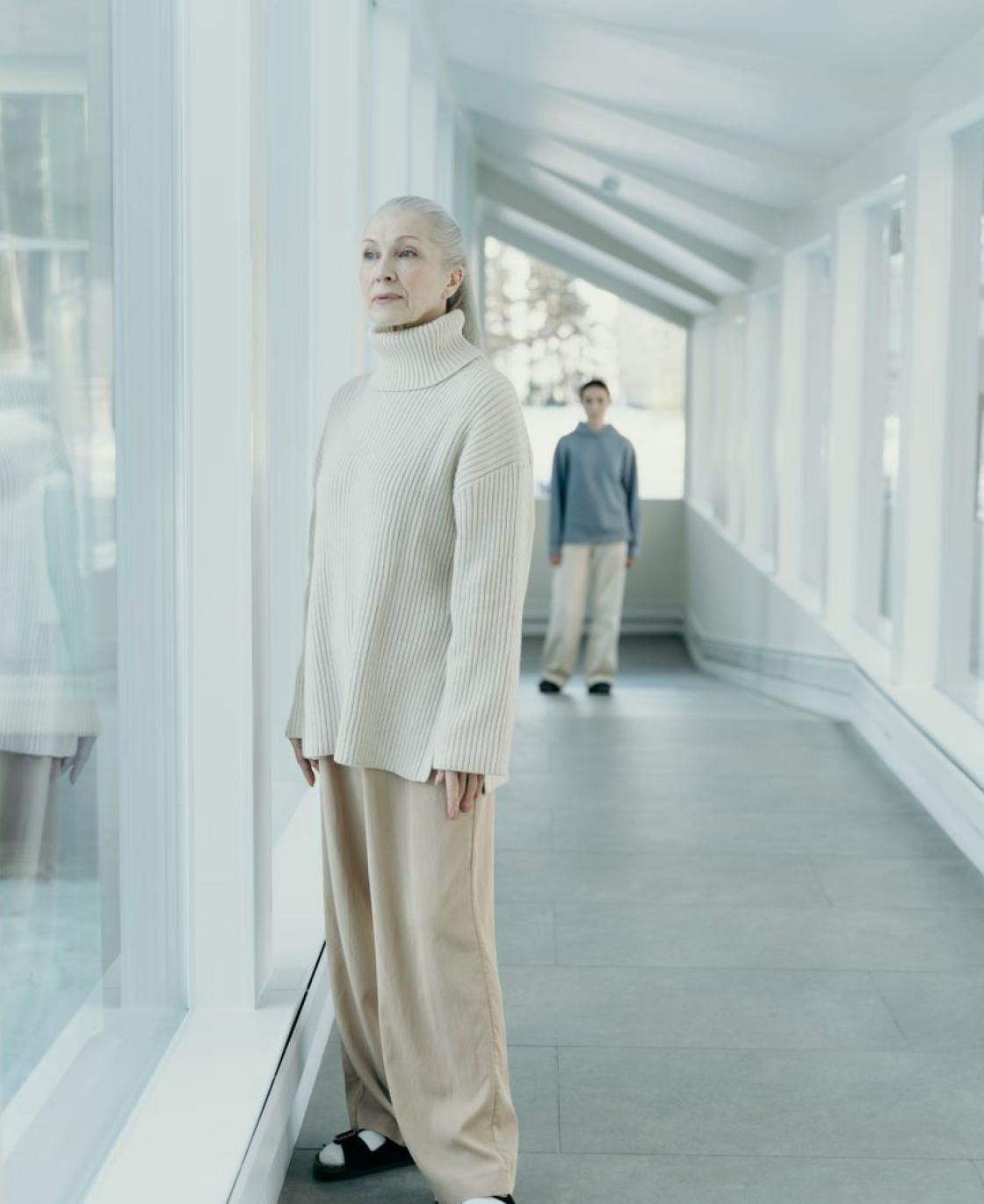
Window light is simply daylight that comes through a window and falls on a person standing or sitting near it. There are no flashes, no umbrellas on stands and no cables across the floor. The room is lit by the sky outside, filtered by glass and sometimes by a thin curtain.
In mid autumn this matters more than people expect. The sun sits lower, the days shorten, and the light that reaches a window in the late afternoon is softer and warmer than it was in July. We plan our evenings around that change rather than fighting it.
Why soft light is kind to faces
Light is described as soft when it spreads over a wide area, so shadows fade gradually instead of ending in a hard edge. A large window is a wide source, which is why a face beside one looks calm and even rather than stern.
Hard light, such as a bare bulb or direct midday sun, draws attention to every line and pore and creates sharp shadows under the eyes and nose. Soft light does the opposite. It shows the shape of a face honestly without exaggerating it.
For many of our members, especially those who feel awkward in front of a camera, this is reassuring. Nothing about the setup feels like an interrogation, and nobody is asked to hold still under a glare.
Three words you will hear in the room
A few small terms come up every evening, and none of them is complicated once someone says it aloud. We explain them at the start so nobody has to nod along without knowing.
The point of naming them is not to sound technical. It is to give the photographer and the sitter a shared way of talking, so a request such as turn a little toward the glass is understood the same way by both people.
- Window side: the side of the face turned toward the glass, which receives the most light.
- Shadow side: the far side of the face, which stays slightly darker and gives the portrait its shape.
- Catchlight: the small bright reflection of the window in the eyes, which makes a portrait feel alive.
How we place a sitter by the glass
Placement is a conversation, not an instruction. We usually begin with the sitter a metre or so from the window, angled so the light falls across the face at about forty-five degrees. Then we adjust together.
Moving a step closer makes the light stronger and the shadows deeper. Stepping back softens everything. Turning the shoulders a few degrees changes how much of the face the light reaches. Each of these is a small choice, and members try them in turn so they see the effect for themselves.
A plain white card or a pale wall opposite the window bounces a little light back into the shadow side. If the room has neither, we simply accept the deeper shadow, because a portrait does not need to be evenly lit to be good.
Light and consent belong together
Because the setup is so simple, there is time to talk. Nobody is waiting for equipment to recharge, so the photographer can ask the sitter how they feel about the pose, the framing and the way the picture might be used.
We treat that conversation as part of the craft. A sitter who has agreed to the angle, the expression and the purpose tends to relax, and relaxed faces photograph better than guarded ones. Consent is not a form to sign and forget, it is something that continues through the whole sitting.
Members are encouraged to show the sitter the back of the camera and to delete any frame they would rather not keep. That small courtesy changes the atmosphere of the evening more than any lens could.
What to bring and what to expect
You do not need special equipment to take part. A phone camera works for window light, and members with larger cameras are welcome to use them. What helps most is curiosity and a willingness to sit on both sides of the lens at least once.
Dress in plain, comfortable clothes without busy patterns, since they compete with the face. If you wear glasses, tilt your head slightly and we will look together for the angle that keeps reflections down.
Expect a relaxed pace, quiet conversation and no pressure to produce a finished picture. The goal of the evening is practice, and a frame you are proud of is a welcome bonus rather than a requirement.
Window light is not a trick or a technical secret. It is ordinary daylight, used patiently and with attention to the person in front of you. Once you understand it, you start noticing it everywhere, in kitchens, in waiting rooms, in the late afternoon of an autumn street. That awareness is what we hope members take home from Portrait Evenings, along with the habit of asking first and listening well.