
The phrase we keep repeating
On almost every Photo Walk, someone hears me say it before we leave the meeting spot: look slowly. It sounds like a slogan, but it is a working rule, and it is the term new members ask about most. Looking slowly does not mean walking at a crawl, though the pace does drop. It means that you stop deciding what a scene is within the first second and let it keep telling you things.
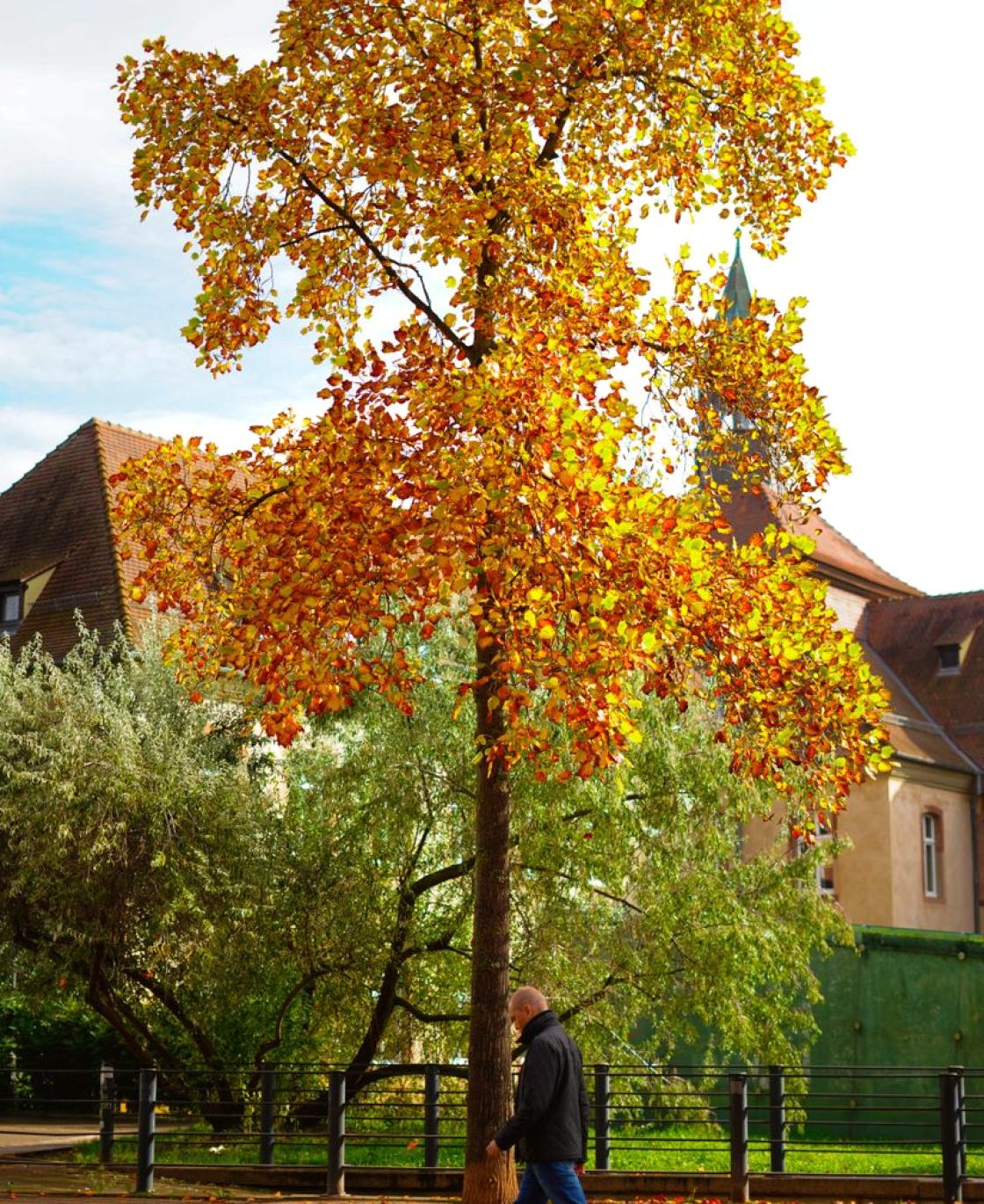
Most of us glance at a street, label it as ordinary, and move on. A label is a shortcut, and shortcuts are what make everyday photographs look alike. When you hold off on the label, you begin to notice the particular thing: how a neighbour props a door open with a flowerpot, how the light sits low against a brick wall in these mid autumn weeks.
I started using the phrase years ago while photographing Windsor neighbourhoods on my own, and it has stayed because it is easy to remember when your hands are cold and the camera is already up.
What it asks of you in practice
In practice, looking slowly is a short sequence you can repeat anywhere. First, stand still for a full minute before lifting the camera. Second, name three things in the scene out loud or in your head that are not the obvious subject. Third, choose one of them and walk around it before you take a single frame.
This sounds fussy until you try it. The minute of standing still changes how people on the street react to you, too. A person who sees you rushing past with a lens raised feels watched; a person who sees you pause and look around feels noticed in a friendly way, and often nods or says hello.
We do not set targets for how many pictures a member should take. Coming home with six frames you stayed with is a perfectly good outcome for a morning walk.
- Stand still for a minute before raising the camera
- Name three things that are not the obvious subject
- Walk around one of them before the first frame
Why a slower pace changes the pictures
The first photograph of a scene is usually the one everyone would take: the front of the building, the whole street, the centred figure. The second and third frames are where your own attention shows. By the fifth, you are often noticing edges, reflections, hands, the small signs that someone lives or works there.
Slowness also changes what you leave out. A photograph that includes everything tends to say nothing in particular. When you have looked long enough to know what drew you in, you can step closer or shift a metre to the left and let the rest fall away.
Members who come back after a few walks often tell us the difference is not in their equipment or settings. It is that they now have a reason for each frame, and a reason is easier to defend when we sit together and talk about the work afterwards.
Common misunderstandings
The most frequent mix-up is thinking that looking slowly means waiting for a perfect moment. It does not. Nothing in our walks depends on a dramatic event, and we are wary of the idea that a good everyday photograph needs one. The ordinary moment, noticed properly, is the whole point.
Another misunderstanding is that it is a rule for beginners only. Longtime members, including the ones who have photographed for decades, say they slip back into quick habits as soon as they feel confident. The phrase is a reminder, not a stage you graduate from.
A third is that slow means silent. On a walk we talk quite a lot, usually about what each person has just noticed. Conversation sharpens attention rather than breaking it, provided nobody is narrating over someone else's moment.
Doing it with other people around
Looking slowly matters most when there are people in the scene. A pause gives you time to decide whether a photograph is appropriate at all, and to speak with someone before you raise the camera. We ask members to do this as a matter of course, and to put the camera down if the answer is no or unclear.
Public streets are shared, and the people who live along them did not agree to be material for our work. A brief hello, a smile, a question about the dog or the garden, often opens a short conversation and sometimes a better picture. It also makes the walk feel kinder for everyone involved.
Our guidelines say this more formally, and Thomas Beaulieu keeps them current, but on the street it comes down to the same habit: slow down enough to treat the person as a neighbour first.
Trying it on your own block
You do not need a group to practise. Pick a stretch of your own street, perhaps two hundred metres, and give yourself a full hour to cover it. Bring a notebook as well as the camera, and write a line about each place you stop. The lines are often more useful later than the photographs.
Autumn is a generous season for this. The light is lower and warmer, leaves collect in corners, and people are outdoors doing practical things like raking and carrying in the last of the garden. Everything is slightly more visible than in summer glare.
If you want company for the exercise, our Photo Walks follow exactly this approach, with a small group and an unhurried route through a Windsor neighbourhood. Come as you are, with whatever camera you own.
Looking slowly is a small term for a modest habit: pause, notice what is not obvious, and stay with one thing before you press the shutter. It costs nothing, needs no special equipment, and suits the way many of us prefer to move through a neighbourhood. If it sounds like how you would like to photograph, join us on a Photo Walk and see how the pace feels.