
Start with what the evening actually is
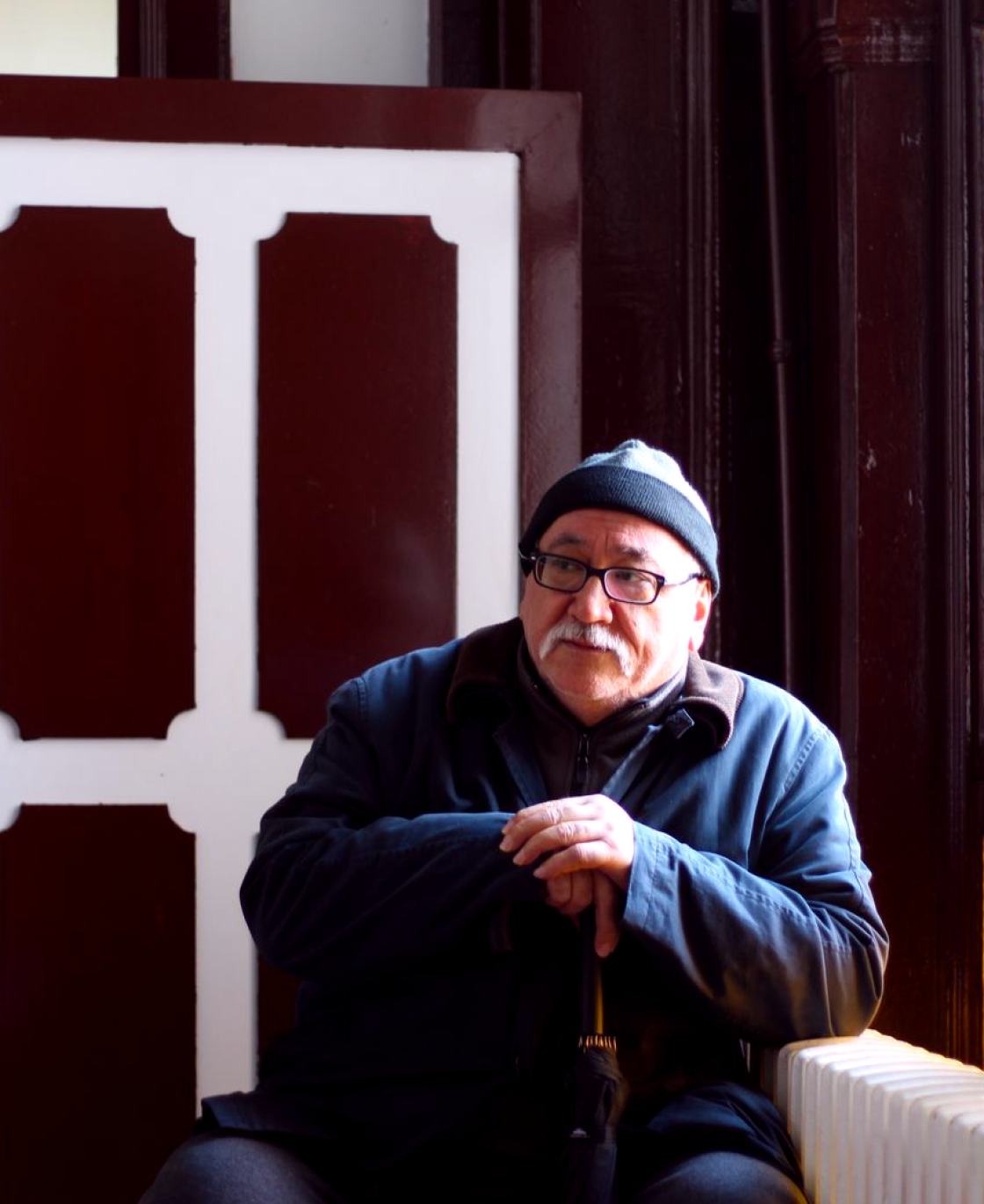
A Portrait Evening is an informal session held in natural window light, where members take turns photographing one another. It is not a studio shoot, and nobody leaves with a polished commercial headshot. The aim is practice: how to pose a person comfortably, how to talk while you work, and how to ask for consent before and after the shutter clicks.
If you are hoping for a quick, finished portrait of yourself, this may not be the right fit. If you want to learn to see a face in good light and to make a stranger feel at ease, it probably is. Be honest with yourself about which of those you are after before going further.
The evenings suit people at very different levels. Some members arrive with a camera they have owned for years and some with a phone. What matters more than the equipment is a willingness to stand on both sides of the lens, since you will be photographer and subject in turn.
- Practice session, not a commercial portrait shoot
- You take turns as photographer and subject
- Phones and cameras are both welcome
Ask yourself how you feel about being photographed
Many adults who enjoy photography quietly dislike being in front of the camera. That is common, and the evenings are built with it in mind. Still, it is worth asking yourself plainly whether you can sit for a portrait for a few minutes without dread, because the learning depends on swapping roles.
Nobody is pushed into a pose or an expression. Consent is part of what we practise, so you can decline a frame, ask to see it, or ask for it to be deleted. Knowing that in advance helps some people decide to come, and others to wait until they feel readier.
If you are unsure, think of one photograph of yourself you actually like and what made it work. Usually it was a relaxed moment with someone you trusted. The evenings try to recreate that ease through conversation first and pictures second.
- You can decline or delete any frame of yourself
- Conversation comes before the camera comes up
Check the practical details
Natural window light shapes the whole evening, so the season matters. In mid autumn the daylight fades early, and the sessions work with softer, lower light that can be beautiful but asks for patience. Settle beforehand whether an evening session with changing light suits your schedule and your eyes.
Think about how you will get to the hall in Windsor and how long you can stay. Wear something you feel comfortable in rather than something special, since plain clothes photograph well in window light. Bring a charged battery and a spare if your camera uses one.
If you have a question about access, seating or anything else that affects your comfort, ask before you decide rather than after. Thomas Beaulieu, our community liaison, answers these questions and keeps the guidelines current, so the contact page is the right place to start.
- Dusk comes early in these weeks; check the timing
- Wear comfortable, plain clothing
- Charge your battery and bring a spare
Think about the people you will photograph
A portrait involves another person who has agreed to sit for you. Before you decide, consider whether you are comfortable talking with someone you have just met while you work. The conversation is not small talk for its own sake; it is how an unguarded expression appears.
You will also practise the manners of the craft: telling your subject what you are doing, asking before you move their chin or shoulders, and saying what you plan to do with the picture. These habits matter well beyond our evenings, wherever you photograph neighbours.
If you tend to hide behind the camera, treat this as the useful part rather than a hurdle. Learning to look up, speak, and listen between frames changes the pictures more than any adjustment to exposure or lens.
- Expect to talk with someone you have just met
- Practise asking before you pose or touch
Know what you will and will not take home
Be clear about the outcome. You will take home frames you made of other members and, if they agree, frames they made of you. You will not receive a retouched or printed set, and no picture is promised to turn out well. Some evenings produce one good portrait; some produce none, and the learning still holds.
Pictures of other people stay within the group unless the subject agrees to something more. That is a rule of the guidelines, not a courtesy that can be waived on the night, and it protects everyone in the room, including you.
If you want to take the work further, a portrait from an evening can feed a longer photo essay or a Community Critique Night, where members give each other kind, constructive feedback. Treat that as a possible next step, not a reason to come.
- No retouched or printed set is provided
- Pictures of others stay in the group unless agreed
A short list to go through before you decide
Run through a few questions in order. Do I want to practise rather than collect a finished portrait? Can I take both roles, photographer and subject? Does the timing suit me in these darker weeks? Am I willing to ask for consent and to be asked in return? If the answers are mostly yes, the evening is likely to suit you.
If two or more answers are no, that is useful to know, and it does not close the door. Photo Walks or Story Circles ask less of you in front of the camera and may be a gentler way in, after which a Portrait Evening can feel more natural.
Write your answers down rather than holding them in your head. Seeing them on paper often settles the decision, and it gives you something concrete to bring if you decide to ask us a question first.
- Practice, not a finished portrait
- Willing to be both photographer and subject
- Comfortable with consent, given and asked
- Timing suits the early dusk
A Portrait Evening rewards people who come to learn rather than to be flattered, and who are ready to look at others as carefully as they hope to be looked at. If this checklist left you more yes than no, the next step is simple: write to us through the contact page with any question, and we will answer plainly before you commit to anything.