
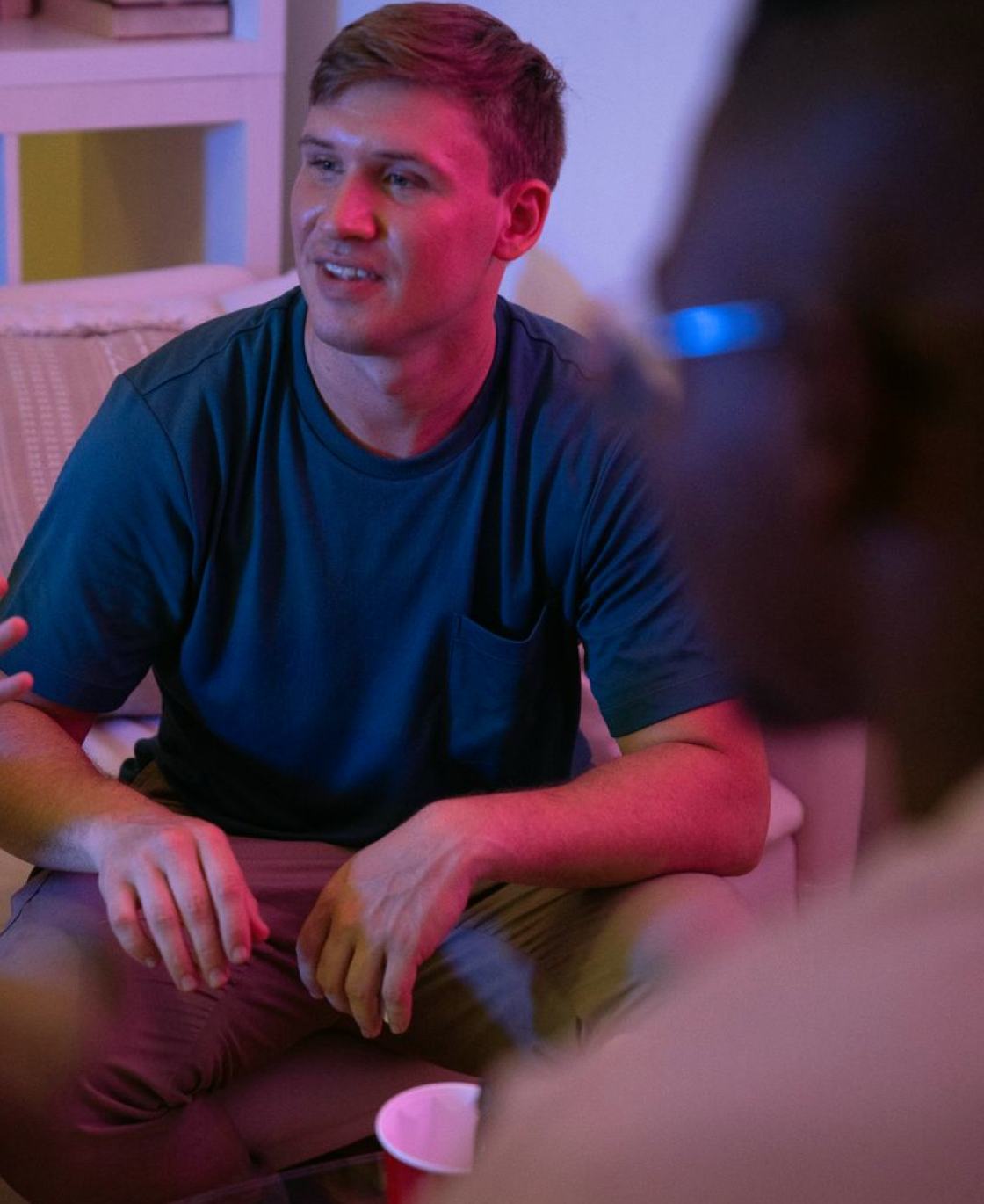
What a Story Circle is
A Story Circle is a small gathering where members share personal stories and talk about how to present them respectfully in words and images. We keep the group small on purpose, so that everyone can be heard and nobody has to compete for the floor. Chairs are set in a ring, there is no stage and no lectern, and the only equipment on the table is a pot of tea and a few notebooks.
I coordinate interviews and writing for Riverbend Lens Collective, and I host most of the circles. My role is less that of a teacher and more that of a gentle timekeeper. I make sure the quieter voices have room, and I remind us of the guidelines we agreed on together at the start of the season.
How an evening unfolds
We begin with a short welcome and a reminder of the ground rules: what is said in the circle stays in the circle unless the speaker says otherwise. Then someone offers a story. It might be about a kitchen table, a corner shop that closed, or a walk along the river at dusk. Stories are not performances, and they do not need to be polished.
After each story, we pause. The group then talks about what the photographs or words might look like if that story were told on the page. We ask what the person would want to show, and what they would prefer to leave out. This habit of asking before deciding is the heart of the circle.
- A short welcome and the ground rules
- One story at a time, with a pause afterwards
- A group conversation about words and images
Listening as a skill
Many of us arrive thinking the hard part is speaking. In practice, the harder skill is listening without preparing our own reply. Members who join the circles often tell me that they began taking better portraits and writing clearer captions simply because they had practised staying quiet and paying attention to someone else.
We encourage small habits. Put the phone away. Look at the speaker. Notice what your own body does when a story touches something familiar. Jot down a word or two rather than full sentences. When the story ends, resist the urge to fix it, and offer instead what you noticed or what stayed with you.
Presenting a story with care
Once a story is told, the question becomes how to present it. In the circle we talk through practical choices: whether a first name is enough, whether a face needs to appear, and what a caption should say so that it is honest without being intrusive. These are not rules handed down but conversations that members work through together.
We also discuss consent as an ongoing matter rather than a single signature. A person who agrees to share a story in October may feel differently in December, and a good storyteller keeps that door open. Members leave with a clearer sense of how to ask, how to explain, and how to step back when asked.
- Choosing between first names and fuller details
- Deciding what an image needs to show
- Keeping consent open after the circle ends
Autumn in the circle
Mid autumn suits this kind of gathering. The evenings draw in early, the windows steam up, and people seem more ready to talk about memory, harvest, family meals and the small rituals that mark the turn of the year. Several members have said that autumn stories come more easily because they feel close to home.
We are using these weeks to gather stories about ordinary seasonal routines: raking leaves with a neighbour, preparing a pantry, visiting a relative before the weather changes. None of these needs to be dramatic. A modest story, told honestly, often says the most about how a community lives.
Who should come along
You do not need a camera, and you do not need to have written anything before. Some members come to tell a story, others come only to listen, and both are welcome. Many of our participants are over forty and arrive a little unsure; most find that the circle is gentler and more ordinary than they imagined.
If you would like to attend, send a note through the contact page and Thomas Beaulieu, our community liaison, will reply with the next gathering details and a copy of the guidelines. Questions about what to bring, how long it runs or how to take part quietly are all welcome, and you can ask them before deciding.
Story Circles are a modest part of what we do, but they shape much of our other work. They remind us that every photograph and caption begins with a person who agreed to be heard. If that idea appeals to you, come and sit with us for an evening, bring a story or bring nothing at all, and see how it feels to listen.