
1. Treating the circle like a presentation
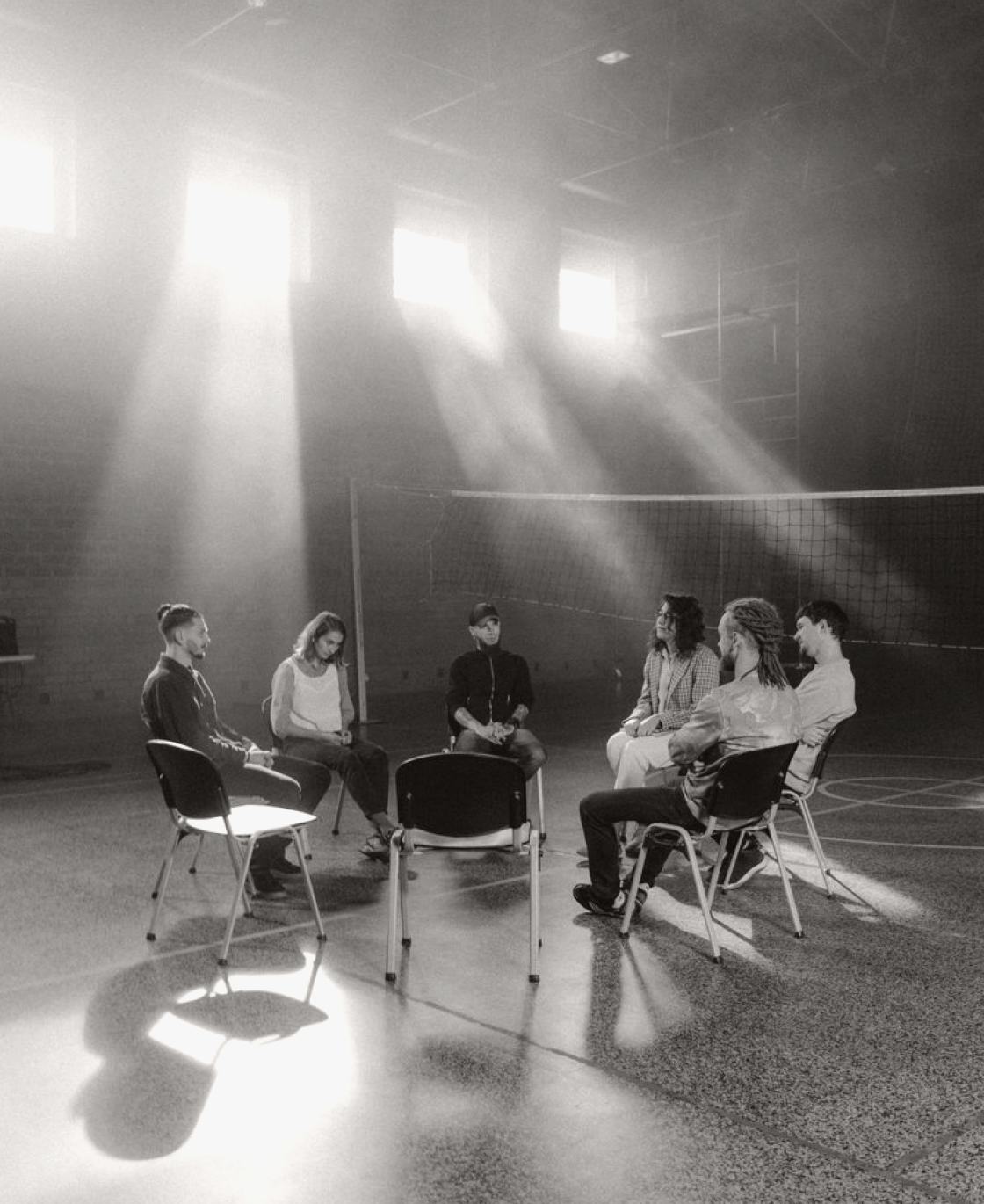
The first mistake is the quietest one. A member arrives with a polished piece, reads it start to finish, and the room goes still because nobody knows how to respond to something that feels finished. A Story Circle is a small gathering where we share personal stories and talk about presenting them respectfully in words and images. It is not a stage, and it is not a review session.
I ask people to bring something unfinished: a paragraph they are unsure about, a photograph they cannot caption, a memory that has not found its shape. Unfinished work invites questions, and questions are what make the circle useful. When a story arrives complete, the only reply left is applause, and applause teaches nobody anything.
If you have written something you love, share it anyway, but say what still bothers you about it. That one sentence changes how everyone listens and gives the group a job to do.
- Bring one rough passage rather than a finished essay
- Name one thing you are unsure about before you begin
2. Letting one voice fill the evening
In a small circle, time is the thing most easily taken without anyone noticing. A confident storyteller runs ten minutes over, a second person follows with equal length, and the quieter members decide their contribution can wait for another evening. By the end, three people have spoken and five have listened politely.
Thomas keeps a simple rule when he welcomes newcomers: everyone gets a turn before anyone gets a second. A turn can be a story, a question or simply passing. Passing is allowed and does not need an explanation. What matters is that the invitation is offered to each person in the room, every time.
If you tend to talk at length, try stopping one sentence earlier than feels natural. Most stories are stronger for it, and the silence you leave is often where someone else finds the courage to begin.
3. Feedback that fixes instead of listens
When someone finishes a personal story, the instinct among people who care about craft is to improve it straight away. Cut this, reorder that, open with the second paragraph. It feels helpful and it often lands as a correction of the person rather than the piece, especially when the story is about a loss or a difficult year.
We separate the two moments. First, say back what you heard and what stayed with you. Only if the storyteller asks for suggestions do we move to wording or sequence. That second step belongs more naturally to the Community Critique Nights, where members bring work expecting a closer reading.
A good response in the circle often begins with the words I noticed. It points to a detail without ranking it, and it leaves the storyteller in charge of what happens to the story next.
- Reflect first, suggest only when invited
- Point to a detail you noticed rather than a flaw
4. Forgetting that other people are in the story
Personal stories are rarely only personal. A mother, a former neighbour, a colleague who retired last spring: each appears in the telling, and none of them agreed to be there. The mistake is not including them. It is including them carelessly, with a name, a detail or a photograph that could be recognized by anyone who knows the family.
Part of what we discuss in the circle is how to present people respectfully. Would this person recognize themselves and feel fairly described? Could a first name or a change of detail protect them without weakening the story? Would a photograph show them with dignity, and have they said yes to it being shared?
These are not rules handed down from above. They are questions we ask together, and they usually improve the writing, because a story that takes care over its people tends to be more honest about everything else too.
5. Captions written as an afterthought
Members who bring photographs to a circle often attach captions at the last minute, and it shows. A caption such as Grandmother in her kitchen tells the reader what they can already see. It misses the chance to say what the picture holds that the frame cannot: whose kitchen, what season, what was being made and why it mattered.
I suggest writing the caption before choosing the photograph, then asking whether the image still earns it. A caption should add one fact, one feeling or one question. It should never claim more than you know, and it should never present a staged moment as a spontaneous one.
When a caption feels difficult, read the story aloud to the group and ask what they would want to know about the picture. Their questions are usually the caption you were looking for, and they cost nothing but ten minutes of listening.
- Add one fact the image cannot show on its own
- Never claim more than you actually know about the scene
6. Expecting the circle to produce a result
The last mistake is about expectation. Some members join hoping to leave each evening with a finished essay, and feel they have failed when they leave with only a better question. A Story Circle is closer to a conversation with patient neighbours than to a production line.
Over a season, the benefits tend to be quieter. People notice more in their own streets. They write one honest sentence where they once wrote five cautious ones. They learn to ask permission without embarrassment. None of this can be promised, and none of it arrives on schedule.
If you want a more structured path from stories to pages, the Photo Essay Workshop is a separate, hands-on session. The circle itself is for listening, trying things out and being kind to each other while we all work out how to tell stories well.
Most circle mistakes come from hurry: rushing a turn, rushing a response, rushing a caption. The remedy is the same each time. Slow down, listen first, and remember that the people in your story are real neighbours with their own say. These weeks of mid autumn, when evenings draw in and stories come easily, are a good time to try a circle with that in mind.