
Ruth arrives with a shoebox
Ruth is retired and lives a short drive from the Windsor waterfront. She came to the Photo Essay Workshop in mid autumn carrying a shoebox of about forty prints, all taken over one summer at a Saturday market she had visited for years. She told us she liked every one of them and could not say why they belonged together.
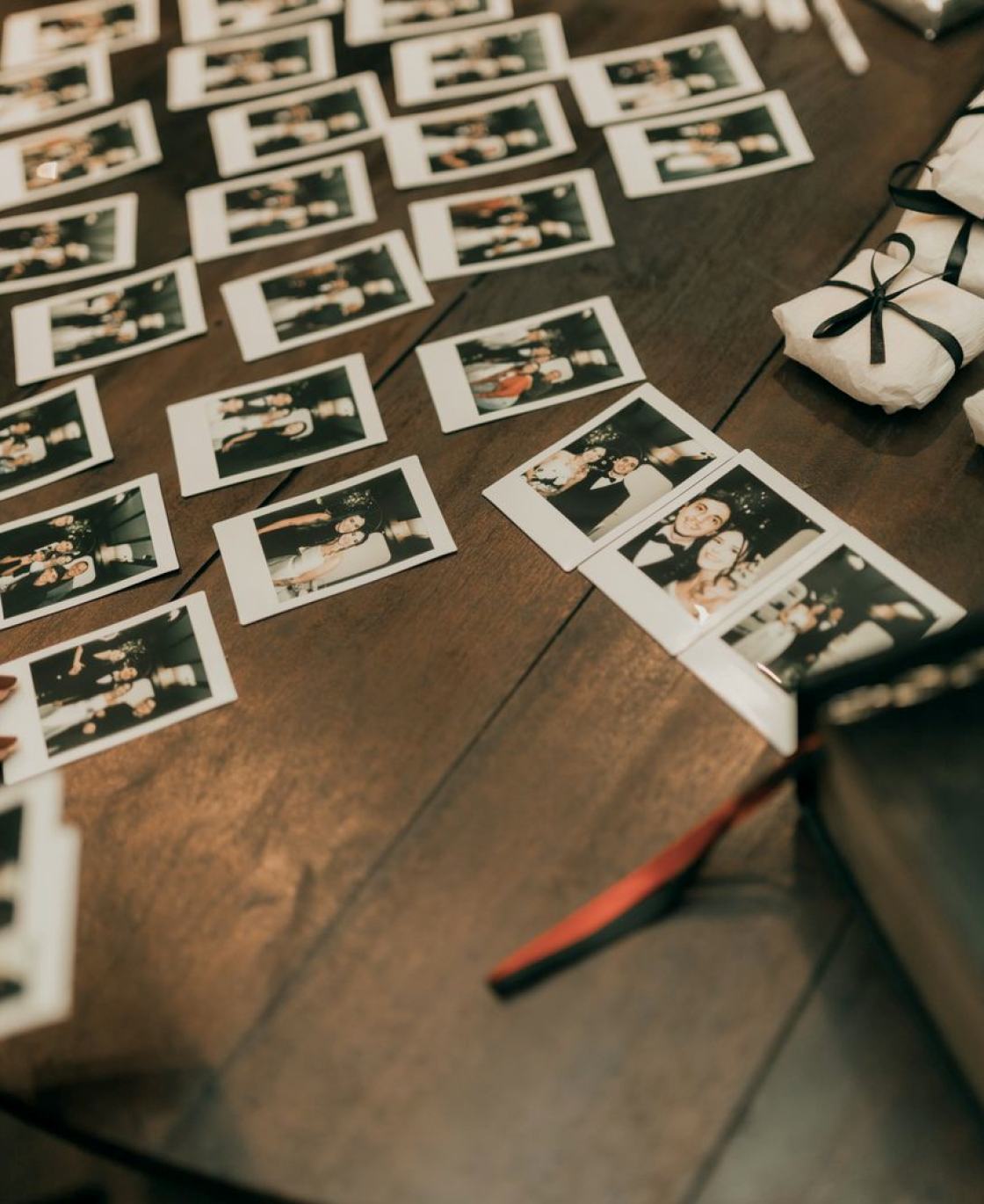
I led the session that day, and I started where I usually do: by asking her to spread the prints across the table without arranging them. Ruth hesitated. She had always kept them in the order she took them, and she worried that moving them around would be a kind of dishonesty. I told her that sequencing is not a trick played on the viewer. It is a decision about what the reader should notice first, and every essay has one.
Taking the pile apart
We began by sorting, not ranking. Ruth made small stacks by what the pictures showed: hands at work, faces in conversation, stalls at opening and closing, the weather. Some stacks were large and some held a single print. She was surprised that the quiet frames, a folded tarp or a chalkboard half rubbed out, kept ending up near the centre of the table.
I asked her to set aside any print she could not describe in one plain sentence. Eleven went into the box. This was the hardest part for her, because several were sharp and well lit. But when she said aloud what each one was doing for the essay, those eleven were repeating something another frame had already said better. What remained was a set she could actually talk about.
- Sort by subject first, quality second
- Describe each print in one plain sentence
- Set aside repeats, even good ones
Finding a way in and a way out
An essay needs a first picture that welcomes the reader and a last one that lets them leave. Ruth tried several openings. A wide view of the market at dawn felt expected. A close photograph of a vendor's hands counting out change felt more particular, and she chose it. For the ending she picked a frame of the empty lot after packing up, with a single crate left behind.
Between those two points we worked on rhythm. Daniel Okafor, our photo editor, stopped by and suggested alternating wide and close frames so the eye does not tire. Ruth moved a portrait of an older couple closer to the middle and the whole run settled. She said it was the first time the pictures seemed to be speaking to one another.
Writing captions that stay honest
After lunch we turned to words. Ruth's first captions were long and sentimental, full of what she imagined the people were feeling. I asked her to write only what she knew: who was there, what they were doing, and where. If she wanted to include a name, she had to have asked for it and received a yes.
She rewrote them over an hour. A caption that began with a paragraph about the spirit of the market became a single line naming the stall and the season. Where she did not know something, she left it out rather than guess. The shorter captions sat comfortably beneath the pictures, and the images could do their own work above them.
- Say who, what and where before anything else
- Ask before naming anyone
- Leave out what you only suppose
What she took home
Ruth left with a sequence of fourteen prints, a caption for each and a short opening paragraph of her own. The shoebox went back on the shelf, lighter. She mentioned that she planned to return to the market in the coming weeks to photograph the stalls as they change for the cold, something she had not thought of doing before.
I do not want to suggest a workshop turns a pile of photographs into a finished essay in a day. Ruth still had edits ahead of her, and she knew it. What changed was her sense of the order of the work: look, sort, choose a way in, write plainly, and let the pictures carry the weight.
A note for anyone with their own shoebox
If you have prints or files you have never been able to place, the workshop is built for that. Bring more than you think you need, and bring pictures you are unsure about as well as the ones you love. The unsure ones often teach the most about what an essay is actually saying.
You do not need a polished project or a particular camera. You need a subject you have returned to more than once and a willingness to move your own photographs around a table. We provide the space, the time and a few patient readers who will tell you plainly what they see.
Ruth's market essay is still small and still hers, and that is the point. The workshop did not hand her a style; it gave her a method for deciding what to keep, what order to put it in and how little to say beneath each picture. If you are holding a collection that feels stuck, a day with the prints spread out may be all it needs.