
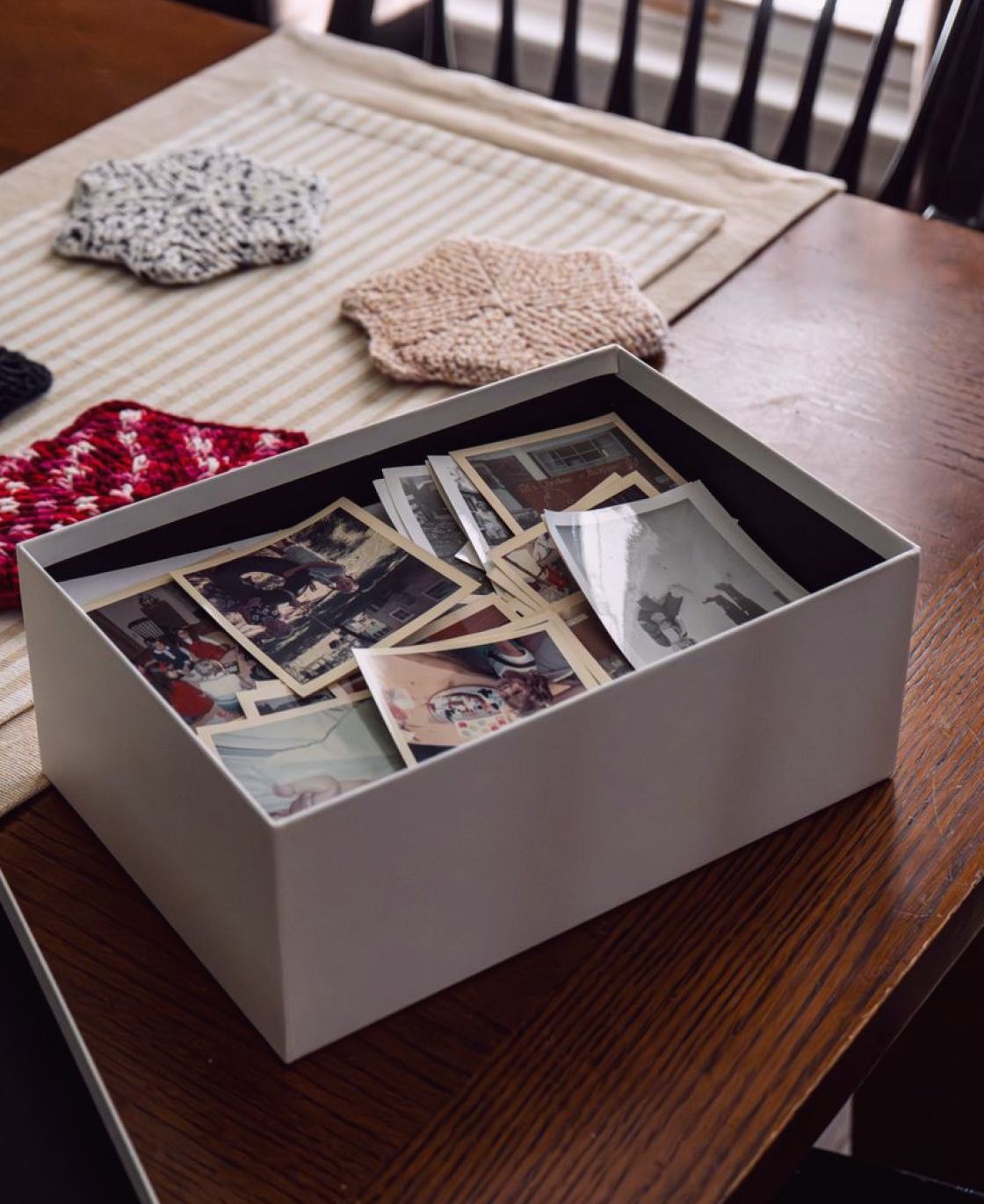
Start with one sentence about your subject
Before anyone in the workshop touches a print, I ask them to write a single sentence saying what their essay is about. Not a title, not a theme like community, but something you could say to a neighbour over the fence: this is how the corner bakery gets ready before sunrise, or this is the last week of a school garden. The sentence does not need to be elegant. Its job is to give you a test you can apply to every frame.
Most of us arrive with far too many pictures, often two or three hundred from a few weekends. A sentence lets you sort them quickly into three piles: clearly belongs, clearly does not, and maybe. The maybe pile is usually where the arguments happen, and that is fine. Expect to set aside most of what you shot, including some pictures you are fond of. Fondness is not the same as usefulness to the story.
- Write the sentence on a card and keep it beside your prints
- Sort into belongs, does not belong and maybe
- Expect to keep roughly one frame in ten
Choose the frames that each do a different job
A photo essay is not twelve versions of the best picture. Each image should add something the others do not. In the workshop we talk about frames by the job they do: a wide scene that shows where we are, a medium frame that shows people at work or in conversation, a close detail such as hands, tools or a worn doorstep, and a quieter moment that lets the reader breathe.
Lay your maybe and belongs prints on a table and look for repeats. If two frames show the same thing from the same distance, keep the stronger one. If everything you have is a close-up, you probably need to go back out with a wider lens and a little more patience. Missing frames are useful to discover now, while the season is still mild enough for another walk.
- One wide frame to establish the place
- One or two medium frames showing people and activity
- Close details that carry texture and mood
- A pause frame, often an empty chair or a window
Sequence by moving prints around a table
Screens make sequencing too easy and too forgettable, so we use small printed copies. Spread them out in a row and read left to right as a stranger would. Ask what they notice first, what question the second image raises and whether the third answers it. A good sequence has a beginning that invites, a middle that deepens and an ending that feels settled without being tidy.
Try a few orders on purpose. Chronological is the obvious choice, following a day from early morning to evening, and it often works well. Sometimes an order by mood or by distance, wide to close, tells the story better. Photograph each arrangement with your phone so you can compare them later. Daniel, our photo editor, often says the right order announces itself once you stop defending your favourites.
- Print small copies, about the size of a playing card
- Try at least three different orders
- Photograph each arrangement to compare later
Write captions that say what you can stand behind
Captions are where many essays quietly go wrong. A caption should tell the reader what they cannot see: who the person is, where it is, what was happening and, when it matters, when. It should not tell them how to feel. Priya, who guides our writing, reminds members that a caption is a statement of fact first, and any warmth comes from choosing the right plain details.
Always ask the people you photograph how they would like to be named and check spellings with them directly. If you do not know something, leave it out rather than guess. Keep most captions to one or two sentences, and let a few frames stand with only a place and a name. Read the finished captions aloud; clumsy phrasing is easy to hear and hard to see.
- Name, place and action before any interpretation
- Confirm names and spellings with the person pictured
- Avoid guessing at feelings or motives
Edit the whole thing as a reader would
Once the sequence and captions sit together, step away for a day. Then come back and read the essay from the top as if you had never seen it. Where does your attention drift? Where did a caption repeat what the picture already shows? Cut the weakest frame, even if it means ending on ten rather than twelve. Essays rarely suffer from being slightly shorter.
Check the opening and closing frames hardest. The first must make someone want to continue; the last should leave a quiet image in the mind rather than a summary. Look also at consent, one more time: would the people shown be comfortable seeing themselves here, with these words beside them? If you are unsure, ask again. Respect is part of the editing, not a step that comes after it.
- Rest for a day, then read from the top
- Cut the weakest frame
- Re-check consent before sharing
What a workshop session adds
You can do all of this alone at a kitchen table, and many members do. What the guided session adds is a second pair of eyes on your sequence while you are still willing to change it. We work in a small group, each person laying out their prints in turn, and the others say what they notice before the author explains anything. That order matters, because it shows you what the pictures do without your help.
The session is hands-on and unhurried. Bring a printed set of images from a single subject, or a folder you can print on the day, plus a pen. You will leave with a working sequence, a first draft of captions and a short list of frames still to photograph. Details of dates and the price are on our Prices page.
A photo essay comes together through small, ordinary decisions: a sentence to guide you, frames that each earn their place, an order you have tested on a table and captions you can stand behind. None of it needs special equipment. As the days shorten this autumn, pick one subject near home, print your pictures, and try laying them out. If you would like company while you do it, the workshop is open to you.