
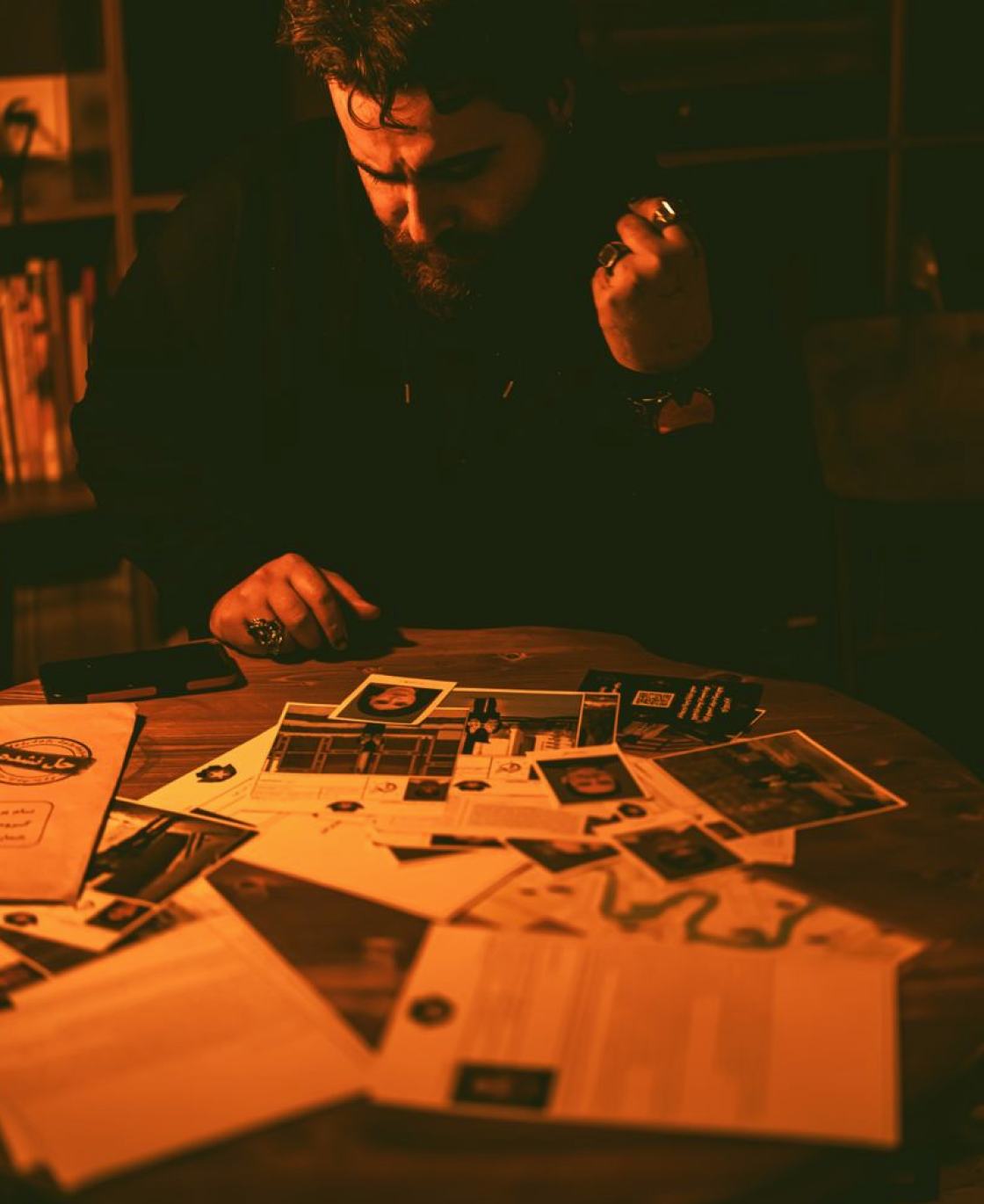
Start with what you hope to hear
Early autumn is a natural time to take stock of the summer's pictures, and many of us start wondering whether a critique night is for us. Before anything else, ask yourself what you actually want from the evening. Some members want help choosing between two similar frames. Others want to know whether a set of images holds together as a story. A few simply want to be looked at by people who care about the same kind of work.
Write your hope down in one sentence before you come. It may sound small, but it changes how the group can help you. A member who says she wants to know whether the sequence feels honest gets very different comments from one who says nothing and waits. Daniel Okafor, our photo editor, leads these evenings and always begins by asking what each person would like the room to look at first.
- One sentence describing what you want feedback on
- A note of anything you do not want discussed yet
- Whether you want comments on pictures, captions, or both
Check how you feel about being looked at
Showing your work is a small act of trust, and it is fair to ask yourself whether you are ready for it this month. Documentary photographs often carry something personal: a street you grew up on, a neighbour you have known for years. Hearing strangers describe them can feel strange at first, even when the comments are gentle.
A useful test is to imagine someone saying that a favourite frame is not the strongest in the set. If your honest reaction is curiosity, even with a little discomfort, you are probably ready. If it would sting for days, there is no shame in coming first to watch. Observers are welcome, and many of our regulars sat quietly through their first evening before bringing a single print.
Decide what to bring and in what form
Members bring prints or screens, and either works. Prints are easy to pass around a table and let people point at details, which is why many prefer them. A screen is perfectly fine if your work is mostly digital, though a small laptop screen is hard to share with a full circle. If you choose a screen, bring the images in the order you want them seen.
Keep the selection modest. Six to ten images is plenty for one evening, and a tighter set usually earns better comments than a large pile. If you are building toward a photo essay, bring the working sequence and any draft captions in the same folder. Having the words beside the pictures lets the group tell you whether the two are speaking the same language.
- Six to ten prints, or images ready on a screen
- Draft captions if you have written any
- A pen to note comments as they come
Think about the people in your pictures
Documentary work involves other people, and a critique night is a good moment to ask how you have treated them. Before you decide to come, consider whether the people photographed know the pictures exist, and whether they would be comfortable seeing them discussed in a room of members. Our guidelines ask that we respect those who appear in the work, and the group will gladly talk through consent with you.
This is not a test you can fail. Many members arrive unsure whether a candid street frame is fair to show or publish, and the conversation that follows is often the most useful part of the evening. If you have photographs where you are uncertain, bring them and say so. Naming the doubt aloud lets the others share how they have handled similar situations in their own work.
Know how the feedback is given
The evenings run on kind, constructive feedback, and it helps to know what that looks like before you decide. Comments begin with what is working in the image, then move to a question or suggestion. Instead of saying a frame is cluttered, a member might ask what you want the eye to land on first. You are never required to agree, defend or explain your choices.
Listening well is part of taking part. When it is your turn to respond to someone else's work, you are asked to speak about the picture rather than the person, and to be specific. Saying you like the light is a start; saying the late afternoon light makes the kitchen feel unhurried is more useful. If this style of conversation appeals to you, the evening is likely a good fit.
- Strengths first, then a question or suggestion
- Comments are about the picture, never the person
- You decide which advice to keep
Plan what you will do afterwards
The last item on the checklist is easy to overlook: what will you do with what you hear? Take notes during the evening, because comments blur quickly once you are home. A day or two later, read them again and mark the ones that came up more than once. When three people mention the same thing, it is usually worth acting on.
You do not need to rework everything. Often one change is enough: swapping the order of two images, cropping a frame, rewriting a caption that said too much. Some members bring the revised set back to a later evening to see whether it reads differently. If you would like more structured help, the contact page explains how to reach us with questions, and Thomas Beaulieu is glad to answer them.
If you can name what you hope to hear, feel reasonably steady about being looked at, and have a small set of pictures ready, a critique night is likely to serve you well. If some of those items are still uncertain, come as an observer first. Either way, the room is friendly, the pace is unhurried, and nobody expects polished work. Bring a question and an open mind, and the evening will do the rest.