
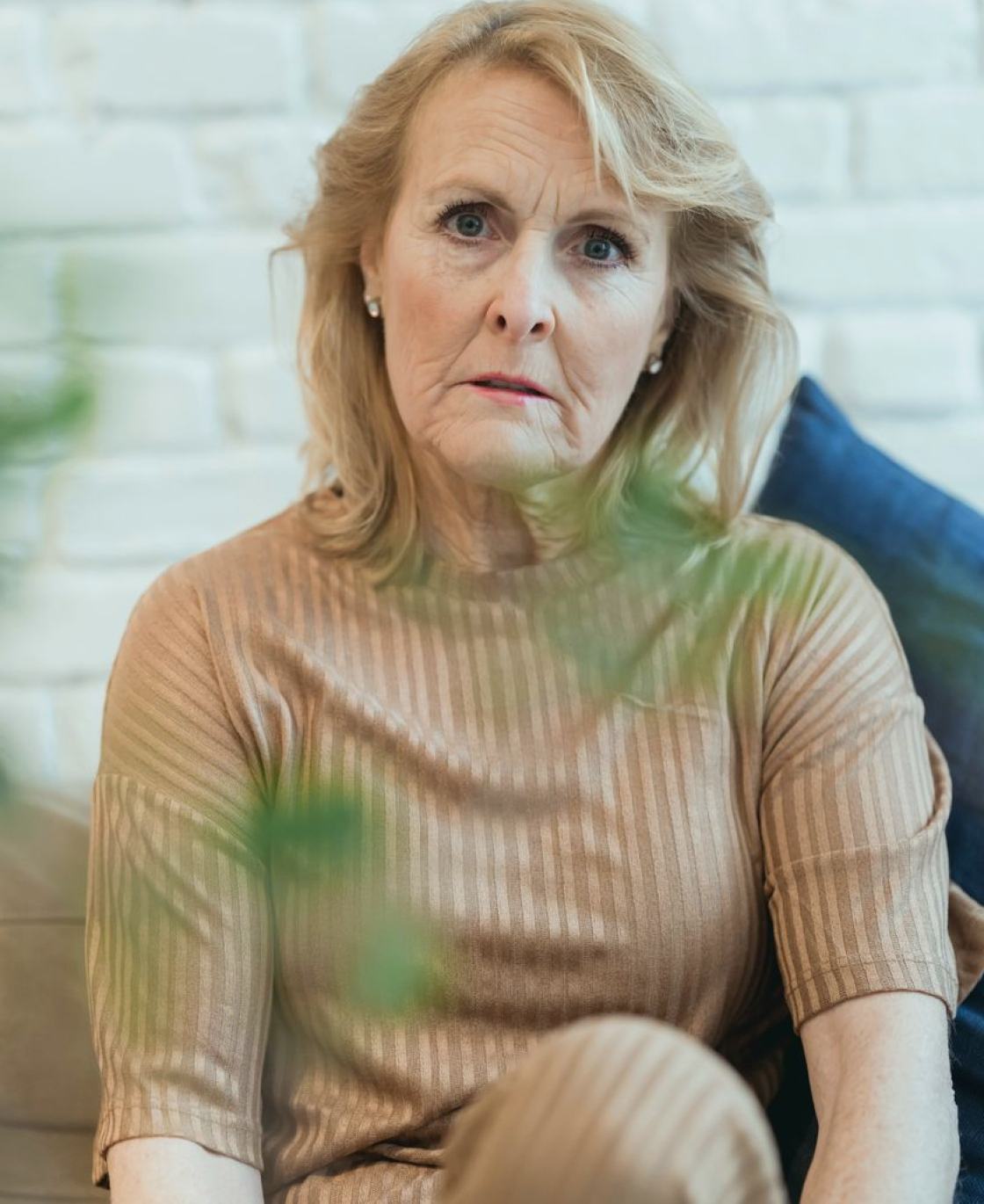
A quiet arrival on a grey afternoon
Anna came to her first Portrait Evening in the middle of October, carrying a camera bag she admitted she had not opened since the spring. She had retired from teaching two years earlier and told me at the door that she photographed gardens and gravestones because neither of them ever looked back at her. I liked her honesty at once. We set the kettle going in the hall on Riverside Drive, and she sat near the radiator while the other members arrived.
The room has tall windows facing north, which in these weeks gives a soft, even light that rarely changes by the minute. Anna noticed it before I pointed it out. She watched a cloud thin over the roof across the street and said the whole room looked like it had been dusted with flour. That sort of attention is exactly what the evening asks of people, and I could see she already had it. What she lacked was the nerve to point it at a person.
Learning to ask before lifting the camera
Every Portrait Evening begins with a conversation, not with pictures. We pair members up, and before anyone touches a shutter, each person tells the other what they are comfortable with: a full face or a profile, hands in the frame or out, and whether the photograph may be shared with the group afterwards. Anna was paired with a retired bus driver named Walter, who joked that his face had been looked at by thousands of strangers and never once been asked.
She wrote his answers in the small notebook she kept in her coat pocket. When I passed their table she was reading them back to him, line by line, as if confirming an order. Walter laughed, but he also relaxed. Consent in a portrait session is not a form to sign and forget. It is a small, repeated courtesy that changes how the sitter holds their shoulders, and Anna saw that change within minutes.
- Agree what the photograph is for before shooting
- Name any limits aloud, however small they seem
- Check again halfway through the session
Window light and the problem of the squint
Natural window light is generous, but it is not forgiving of careless placement. We seat sitters at an angle to the glass, roughly an arm and a half away, so one side of the face is lit and the other falls softly into shade. Anna's first frames of Walter were too dark on his left cheek, and she moved her chair rather than reaching for a flash, which we do not use in these sessions.
She also discovered the squint. Sitters often narrow their eyes when they face bright glass, and the expression reads as suspicion in the final print. Walter had been squinting for ten minutes without knowing it. Anna turned him a few degrees away from the window, asked him to look toward the door, and the whole face opened. It was a small fix, found by looking rather than by following a rule from a book.
Talking is part of the picture
The most useful thing I could tell Anna was to keep talking while she photographed. Silence makes sitters stiff, and a camera pointed at someone who has gone quiet produces a face prepared for an inspection. Priya, our interviews coordinator, often reminds members that the best portraits tend to arrive in the pauses between questions, when the sitter has stopped performing and started remembering.
Anna asked Walter about the route he drove for thirty years, and he began describing a corner where a baker used to wave at his bus every morning. His hands started moving. His eyes went somewhere behind the camera. She kept the shutter going quietly and let him finish the story before she said a word. Of the forty frames she made that evening, the three she kept all came from that stretch of talking.
Switching sides and sitting still
Halfway through the evening we swap roles, and this is where Anna struggled. Having spent an hour hiding behind a lens, she now had to be the one looked at. She sat down by the window, folded her hands, and then unfolded them, and Walter, to his credit, did not rush. He asked what she would like him to avoid. She said, after a pause, that she would rather not be photographed laughing, because she disliked how it lined her face.
He honoured that, and the portrait he made is the stillest picture in her folder: chin slightly raised, eyes on the window, a faint seriousness she did not recognize as her own. She told the group later that it was the first photograph of herself she had not wanted to delete. Being a sitter, she said, taught her more about the camera than any tutorial had managed.
What she took home
Anna left that evening with three prints, a page of notes in her own handwriting and a plan to ask her neighbour, a florist, to sit for her the following month. She also left with a habit I hope she keeps: a short sentence of thanks to the sitter, and a promise to show them the picture before showing anyone else.
We do not claim that one evening turns a hobbyist into a portrait photographer. What it can do is give a person a gentler way to approach someone else's face, and a clearer memory of what it feels like to be on the other side. Anna came back the next week, and the week after, and she now brings the kettle.
Anna's story is one of many small ones that happen in our hall, and I tell it with her permission and under a first name only. Portrait Evenings are not about producing flawless pictures. They are about learning to ask, to listen and to see someone in good light, and to leave them feeling respected. If that sounds like a way you would like to spend a mid-autumn evening, we would be glad to welcome you.