
Why autumn suits a critique night
Mid autumn is when many of us finally sit down with the summer's pictures. The rush of long days is over, the evenings arrive early, and a table of prints under a warm lamp feels like the natural thing to do. Community Critique Nights fit this rhythm well. Members bring prints or screens and give each other kind, constructive feedback on their documentary work, and the slower pace of the season helps that feedback land gently.
I have led these evenings long enough to notice a pattern. People who bring work in the weeks after a busy summer often carry too much of it. Their folders hold hundreds of frames, and the evening gets spent deciding what to look at rather than looking. The cooler months give you a reason to be selective, because you have time to choose before you arrive, and that choosing is half of what a good critique asks of you.
Choosing a small set, not a whole folder
Aim to bring somewhere between six and twelve images that belong together. A critique works best when the group can see what you are trying to say, and a handful of related frames shows that far better than a scattering of favourites. Think of a single street, a single family gathering, or a single working morning at a local market. Let the subject decide what stays.
When you are cutting, ask which pictures repeat each other. Two frames that make the same point weaken one another, and the group will spend its time comparing them instead of responding to the story. Keep the one with the clearest gesture or the cleanest edge of light. Set aside the rest without guilt. They are not deleted, only held back for another evening, and sometimes the held-back frame becomes the one a neighbour asks you about later.
- Pick one subject or place, not one of everything
- Remove near-duplicates before you print
- Keep one frame you are unsure about and say so
Prints or screens: what the season changes
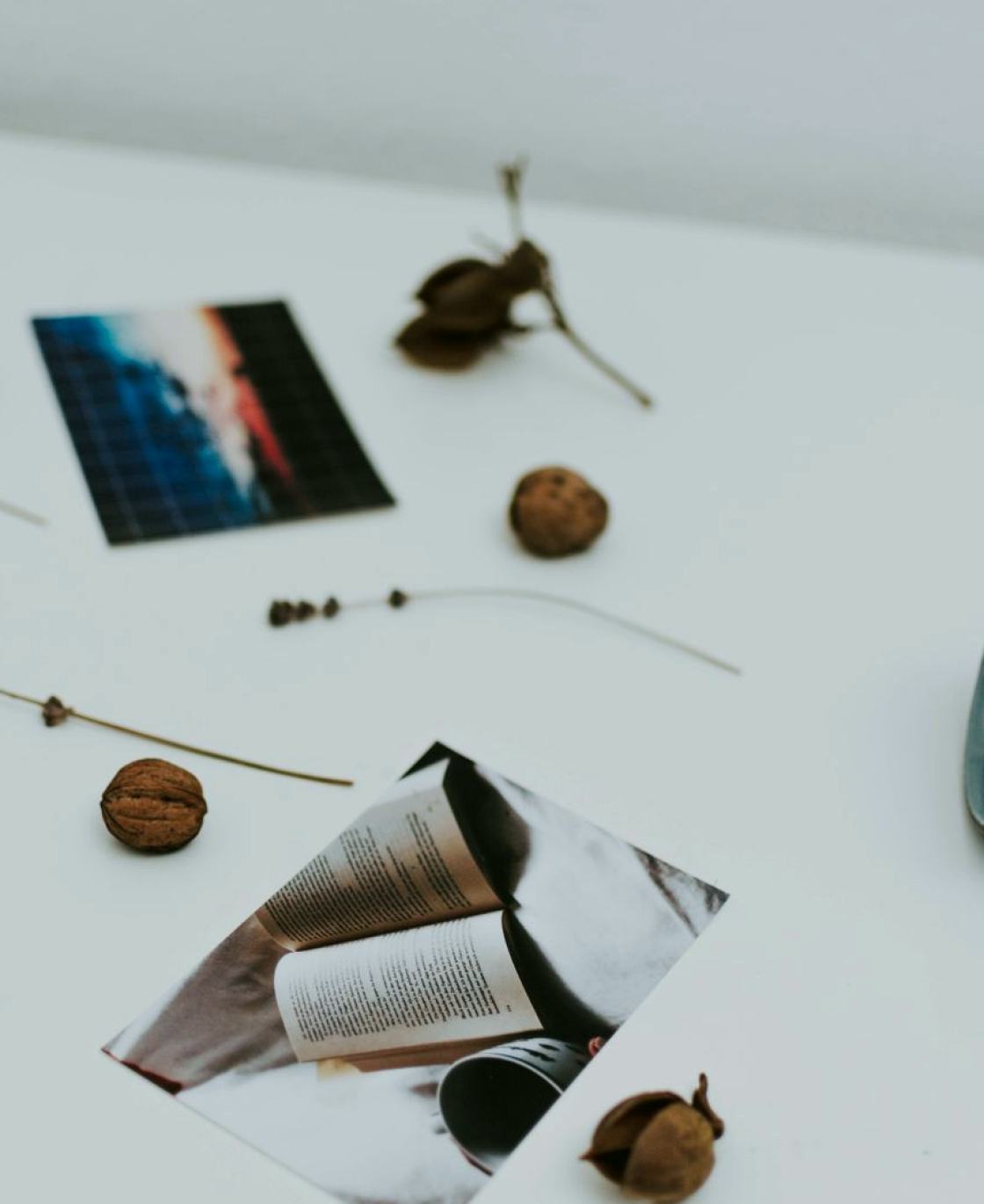
Both are welcome, but autumn favours prints. Dim rooms and low evening light can make a phone screen glare or wash out, and the group often huddles at odd angles to see it. A modest print on plain paper, even a home-printed one, passes from hand to hand and lets people point at a detail without reaching for your device.
If you do bring a screen, turn its brightness up and switch off auto-dimming before you arrive, since a screen that fades while someone is studying your picture is a small frustration for everyone. Bring a few frames in the order you want them seen, and keep a note of which one you most want discussed. Printing on matte paper tends to hold up better under the warm room lighting we use than glossy stock, which catches reflections from lamps.
Using the light and mood of the coming months
Many members use these weeks to photograph for their own projects, and critique nights are a good place to test an idea early. Low sun, bare branches, wet pavement and early dusk all change how people read a scene. A picture that felt ordinary in July may carry real weight in November because the light itself is doing some of the telling.
Bring one or two frames from your current season alongside older work, and let the group tell you what shifts. Often the observation is simple: the colours have cooled, the faces are more closed against the weather, or the street looks emptier and more attentive. Those readings can guide where you point your camera next, which is exactly the kind of practical use a critique should have.
Giving and receiving feedback with care
The aim of the evening is kindness with substance. When it is your turn to respond, start with what you can see in the picture rather than what you would have done differently. Describe the moment, name what draws your eye, and then offer a question or suggestion. A question such as what happened just before this frame opens more doors than a verdict does.
When your own work is being discussed, listen first and take notes if you like. You do not have to explain every choice, and you are free to disagree later at home. Photographing people carries its own responsibility, so if your pictures include neighbours or strangers, mention how you asked or how you plan to credit them. The group is glad to talk through consent, and it is better raised early than left unspoken.
- Describe before you judge
- Offer one question and one suggestion
- Take notes now, decide later
A simple plan for the weeks ahead
Pick your date, decide on a single theme, and give yourself a few evenings to prepare. Select, print, and sequence loosely, then write two or three plain sentences about what the set is about. Those sentences help the group respond to your intention instead of guessing at it, and they often reveal to you what the work still lacks.
After the evening, sit with the comments for a few days before changing anything. Some notes will feel obvious at once; others only make sense after another walk with the camera. Come back to the next night with a revised set or a new one, and treat the practice as a seasonal habit rather than a one-off event. Over a few gatherings, a body of work tends to take shape almost quietly.
Critique nights reward preparation more than polish. Bring a small, related set, print it if you can, and arrive ready to listen as much as to show. The coming months offer good light for new work and long evenings for talking about it, so use them kindly. I look forward to seeing what you bring to the table, and to hearing what the group notices that you did not.