
Start with a small story, not a big one
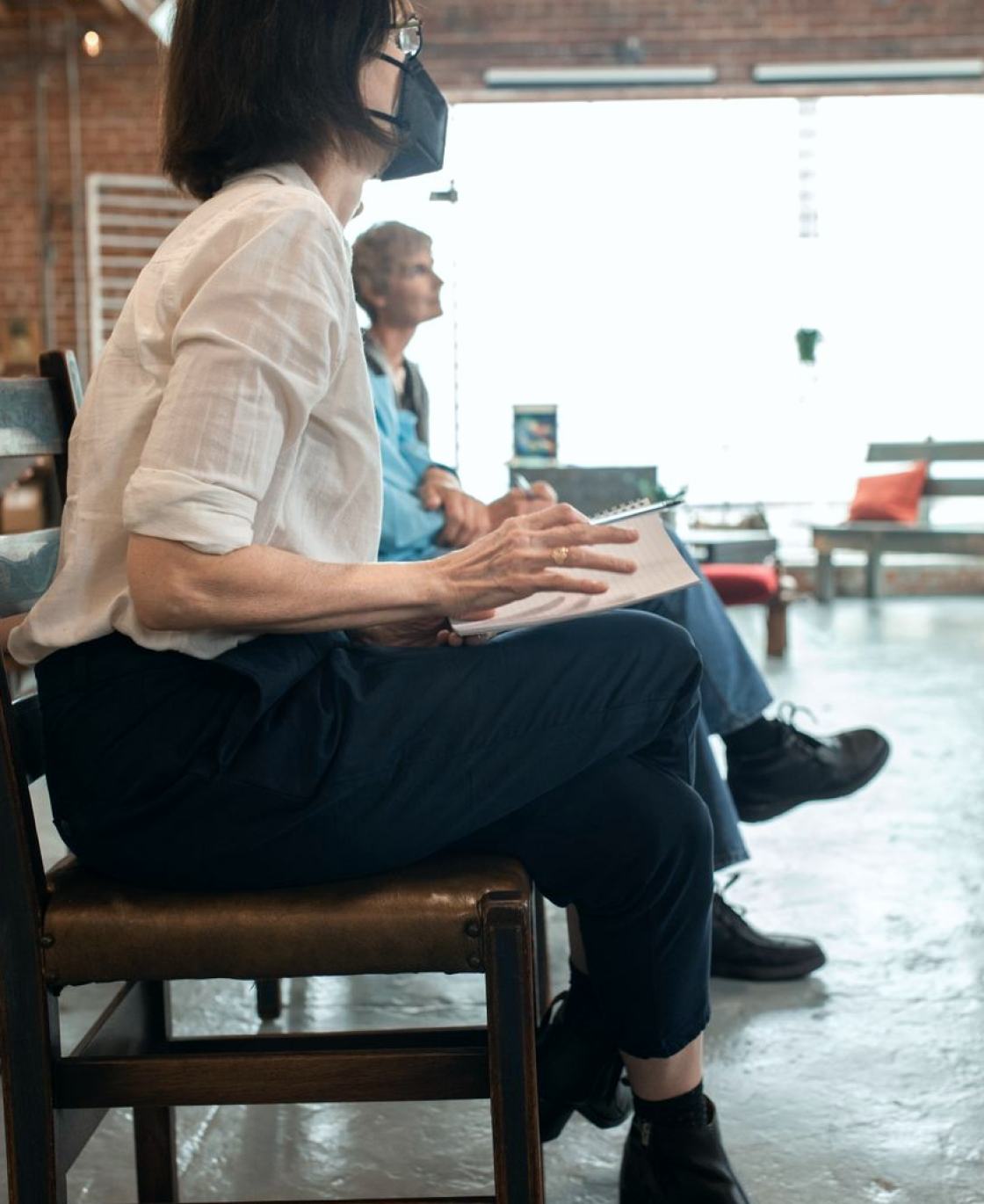
The most common worry I hear from newcomers is that they have nothing worth telling. Story Circles are small gatherings where members share personal stories and talk about how to present them respectfully in words and images, and nobody expects a life summary. A good first story is usually a single afternoon, a single object or a single conversation. Think of a kitchen table in a house you grew up in, the walk you take each morning, or the neighbour who always waves from the porch.
Smaller stories hold up better in a circle because the group can see them clearly. A story that covers thirty years tends to blur, and the listeners end up asking about dates instead of feelings. One moment, told with a few concrete details such as the sound of a screen door or the colour of a coat, gives people something to picture and something to respond to.
You do not need to write it out in full. Many members bring only a few lines in a notebook, or a single photograph they want to talk around. If you would rather speak from memory, that works just as well.
- Pick one moment, not a whole period of your life
- Choose something you are comfortable saying aloud to near strangers
- Keep it to roughly five minutes of speaking
What to bring on the evening
Bring very little. A notebook and a pen are enough, and some members like a printed photograph or a phone with one image ready. If your story involves a photograph, a single image is plenty. The circle is not a slideshow, and one picture that you can talk about slowly serves better than a dozen shown quickly.
If the photograph includes other people, think beforehand about whether they would be comfortable with it being discussed. This is part of what the circle talks about, so you are not expected to have all the answers, but arriving with the question already in mind makes the conversation easier for everyone.
Wear something comfortable and arrive a few minutes early. Thomas, who welcomes newcomers, is usually at the door, and an early arrival gives you time to find a chair, say hello and settle before the circle begins. Tea or water is generally on hand, and nothing is required of you beyond showing up.
- A notebook and pen, even if you never open them
- One photograph at most, printed or on a phone
- A willingness to listen as much as to speak
How a circle usually runs
A circle begins with a short welcome and a reminder of the group's guidelines, which centre on respect, curiosity and honesty. Everyone is invited to introduce themselves by first name only. Then the stories begin, one at a time, with no fixed order. Anyone who prefers to listen on their first evening is welcome to do exactly that, and no one will press you to speak.
After each story there is a pause. People often need a moment before they respond, and that quiet is not awkward; it is the group taking the story in. When someone is ready, the conversation turns to what stood out and how the story might be shared with a wider audience in words or in pictures.
The evening ends without a summary or a vote. Members drift into conversation over tea, and plenty of friendships and later photo projects start in that last half hour rather than in the circle itself.
- Welcome and a reminder of the guidelines
- Stories shared one at a time, with pauses between
- Open conversation over tea at the end
Listening well is half the skill
Most of what makes a circle work happens when you are not speaking. Listen for the detail the storyteller lingers on, because that is usually where the story lives. Resist the urge to relate it straight back to your own experience; a brief nod of recognition is fine, but taking over the thread can leave the first person feeling unheard.
When you do respond, start with what you noticed rather than what you would change. Saying that the image of the empty chair stayed with you is more useful than suggesting a different ending. Questions that begin with how or what tend to open a story further, while questions that begin with why can sound like a challenge.
Remember that a story shared in the circle belongs to the person who told it. Nothing said there is repeated outside the room, and nothing is published without the storyteller's clear agreement. That understanding is what lets people speak honestly.
- Notice the detail the storyteller returns to
- Respond with what you saw, not what you would fix
- Keep what is said in the room in the room
Talking about how to present a story
Part of each evening turns to the question of presentation: how would this story look in print, and what would it need to be told fairly? This is where the circle connects to the wider work of the collective. Members talk about which photographs fit, whether a caption should name a place, and how much a reader needs to know to understand without feeling exposed.
Consent runs through all of it. If a story features a family member or a neighbour, the group asks whether that person has agreed, and whether they would recognise themselves fairly in the telling. Sometimes the answer is to change a detail, blur a place name, or leave a photograph out altogether.
These conversations are practical and unhurried. You will not leave with a finished piece, but you will usually leave with one or two clear next steps, such as a caption to rewrite or a person to ask before going further.
- Ask whether the people in a story have agreed
- Consider what a reader needs to know, and no more
- Leave with one or two concrete next steps
After the circle: keeping the story going
A story shared aloud often changes once you have heard yourself tell it. Some members write it down the next morning while it is fresh, and many find the second version is plainer and truer than the first. Jotting a few lines the same evening, before the details fade, is a habit worth building.
If you want to develop the story into something longer, the collective's other activities can help. Members take drafts to critique nights, shape them into essays in the workshop, or look for images on a photo walk. None of this is expected, and a story can stay a story that lived only in a room of kind listeners.
Come back when you are ready. Many people attend for several evenings before they speak, and that is a perfectly good way to take part.
A first Story Circle asks very little of you: one small story, a notebook, and a willingness to listen. Choose a single moment, think about the people in it, and trust the group to receive it with care. If you are unsure, come once and simply listen. The guidelines are there to protect everyone, and Thomas is glad to answer questions before you attend, through the contact page, so you arrive knowing what to expect.